Where the deep-focus method I teach, and the maths workbook I wrote, have travelled from Seoul.
ConnectedIn progress
The rule is simple. You hand your phone and your laptop to the staff on the first morning, and you don't see them again for six days. From nine in the morning until nine at night, you sit with one problem. You can't look up the answer. You can't ask the person next to you. If you get stuck, the only thing available to you is more thinking.
Molip (몰입) is the Korean word for this kind of total absorption. English usually renders it as flow. Flow describes a state you happen to fall into. Molip describes the practice of getting there on purpose, and the claim behind the camp is that it can be trained the way a sport can be trained. Professor Hwang Nongmun of Seoul National University has spent years building a method around that claim and running it as a camp. He is writing the English edition of his book now.
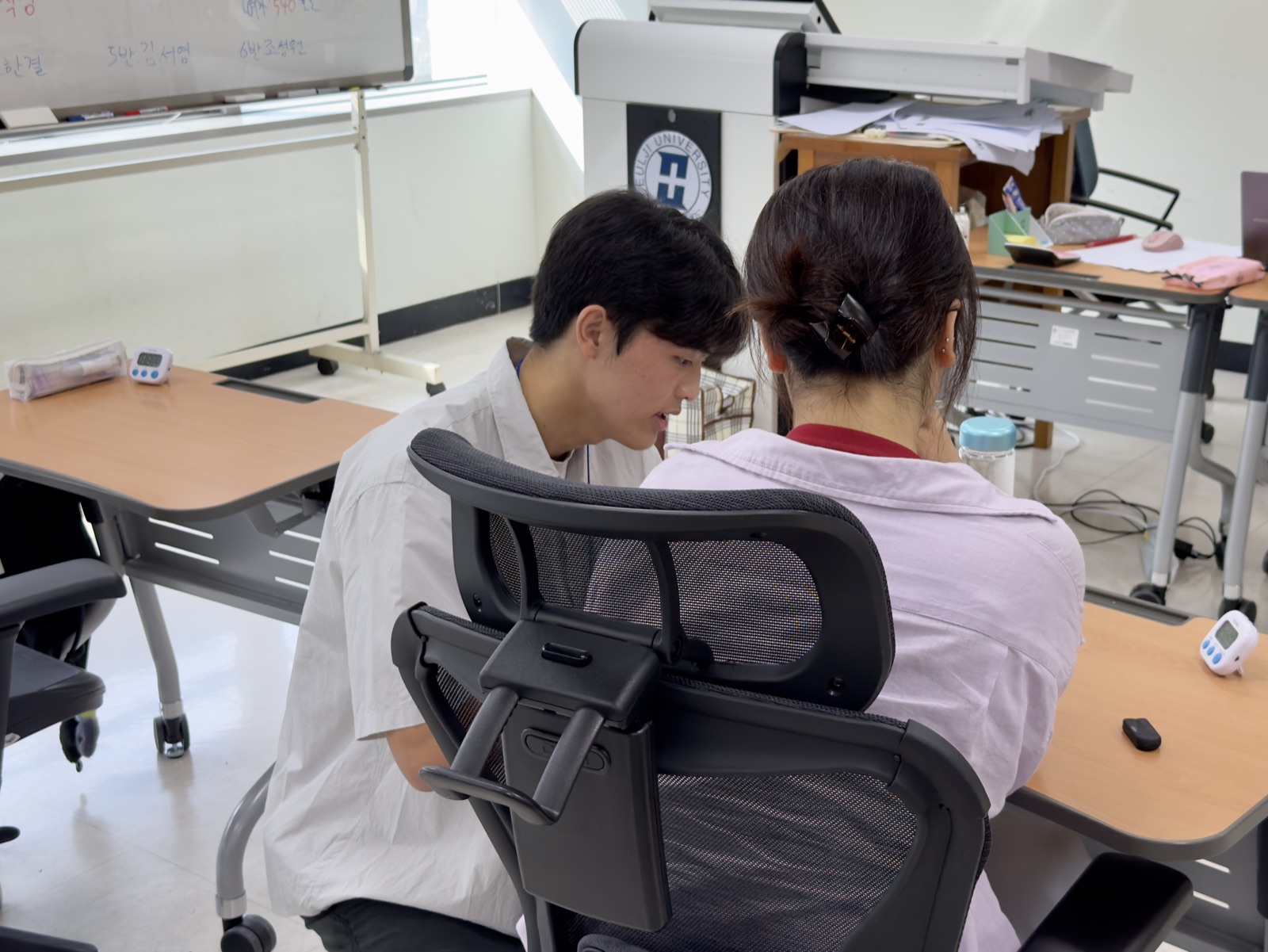
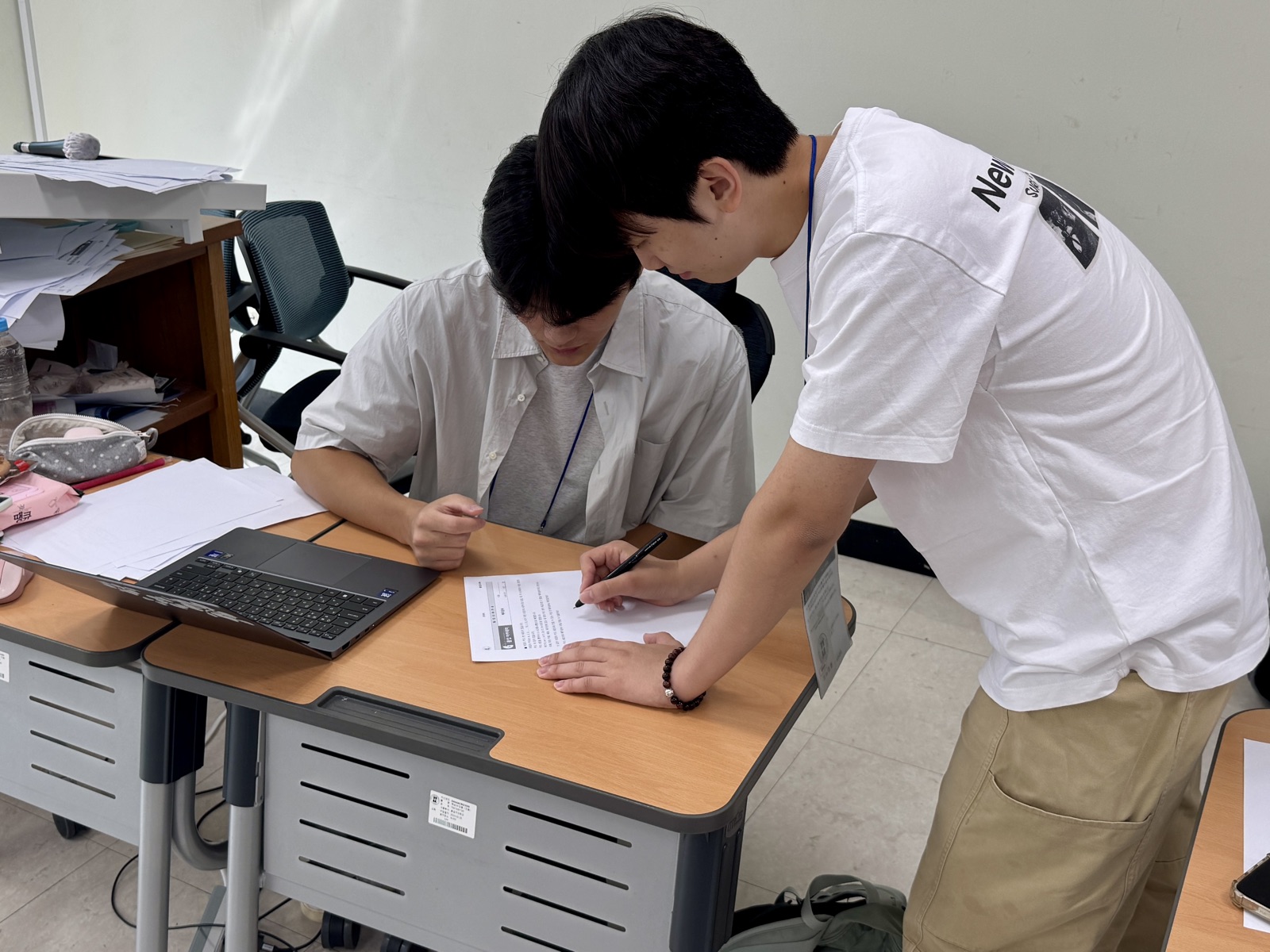
I went the first time as a participant. I have been back four times since, the last two as an assistant, which means I now spend most of my summer and winter holidays in a room where nobody is allowed to use a search engine.
I want to be honest about this part, because the brochures aren't.
The first evening is when the withdrawal shows. People check the box where the phones went. Somebody usually calls home and asks to be picked up, and occasionally somebody actually leaves. The complaints are all the same complaint in different words: this is a waste of time, I could have solved it in ten minutes with the answer key, why am I being made to suffer.
They're not wrong that it's slower. That's the whole point, but on day one nobody believes you when you say so.
Day two is quiet, and the quiet is misleading. It isn't peace. People are just tired.
Something happens on day three. I've watched it five times now and I still can't predict which person it will happen to. Somebody who spent two days insisting the problem was impossible will look up and start explaining their reasoning to whoever is closest, unprompted, before they even have an answer. That's the tell. Not the solution. The sudden need to say the half-formed thought out loud to another human being.
I expected to get better at math. I did, a little. The larger change was in what I do when I don't know something.
Before the camp, a hard question sent me straight to a person or a page. A senior, a teacher, a video. I did that reflexively and I would not have described it as a problem, because it worked. It got me answers quickly and the answers were correct. What it didn't get me was the twenty hours of being wrong, which turns out to be where most of the thinking lives.
The first time I sat with a problem past the point where I wanted to quit, and then further past it, and then solved it with nothing but my own notebook, I understood why the phones go in the box.
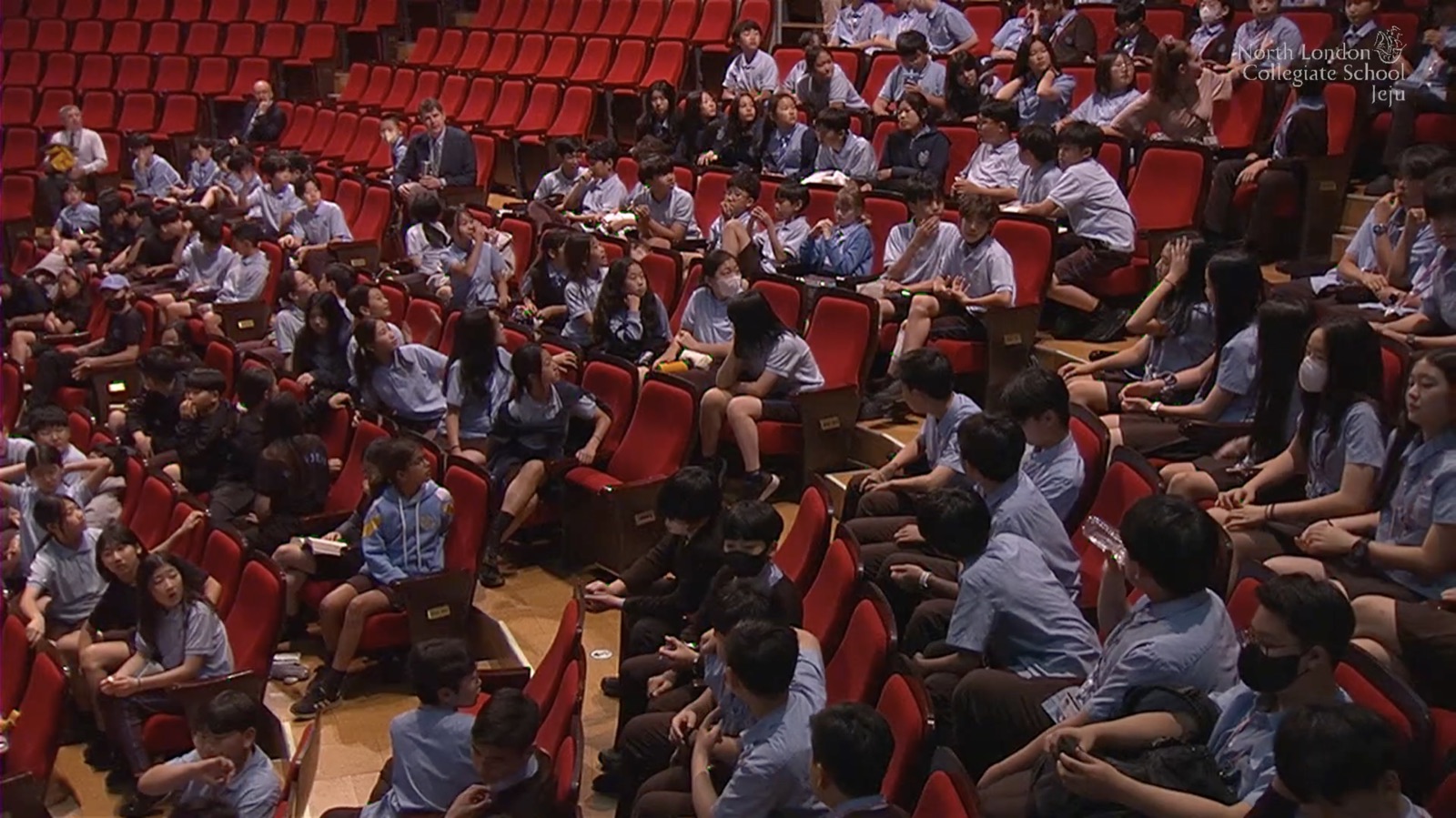
Since then I've worked with around 650 students at the camp and 350 more through the club I started at school. The two settings need different things. At camp the structure does the work for you, since the phones are gone and there's nowhere else to be. At school, students walk out of my session and back into a hallway full of notifications.
So most of what I've built has been an attempt to make molip survive contact with an ordinary Tuesday.
The workbook came first. 250 UKMT-level problems, chosen because they're hard enough to require sitting with but not so hard that a fourteen-year-old gives up in five minutes. It's in print with an ISBN and has gone out to about 300 students in countries where good math materials are expensive or unavailable. I recorded 130 solution videos to go with it, which is a slight contradiction I'm aware of, and my rule for the students is that the video is for after you've been stuck for an hour, not instead of the hour.
Then the app, which now has around 300 users. It does less than people expect. It doesn't gamify anything and it doesn't send encouraging notifications, because notifications are the enemy here.
The problem I'm currently unable to put down isn't a math problem.
Every tool I use is built to shorten the gap between a question and an answer. That's the explicit goal of the industry, and I'm part of it. I write software. I've used AI to build things that are on this website. I'm not interested in the argument that we should go back to something.
But the six days I keep returning to are six days built on the opposite premise, that the gap between question and answer is where the person gets made, and that closing it too efficiently costs something we haven't priced yet. Both of those things seem true to me at the same time and I don't know how to reconcile them.
That's the question I want to spend the next few years on. How do you design a technology that gives people back their attention instead of harvesting it. Whether that's even a coherent thing to ask of a product, or whether it has to be asked of the institutions around the product.
I don't have an answer. I've been stuck on it for a while now, which by the standards of the camp means I've barely started.
The thing I have made that travelled furthest is made of paper.
I wrote a workbook of 250 UKMT-level problems and put it into print with an ISBN, then recorded 130 solution videos to sit behind it. It has gone to about 300 students in places where good maths material is expensive or simply not sold, and it is the reason two of the lines on the map at the top of this page are solid rather than dashed.
Writing the problems was easier than choosing them. A problem that is too hard teaches a fourteen-year-old that maths is for other people. A problem that is too easy teaches nothing at all. Most of the work went into the narrow band between those, which is also the band where somebody has to sit still and think for an hour.
The videos are a compromise I am aware of. A book that trains you to stay with a problem should not come with a button that ends the staying. My rule for the students is that the video is for after an hour of being stuck, not instead of it, and I have no way to enforce that from Jeju.
Kenya and Tanzania came first. London, Dubai, Singapore and San Francisco are at various stages of arranging, which mostly means emails that have not been answered yet.
I am not very good at reading about something and leaving it there. If a thing interests me I want to build one, and building one is where I find out how much of the explanation I actually understood.
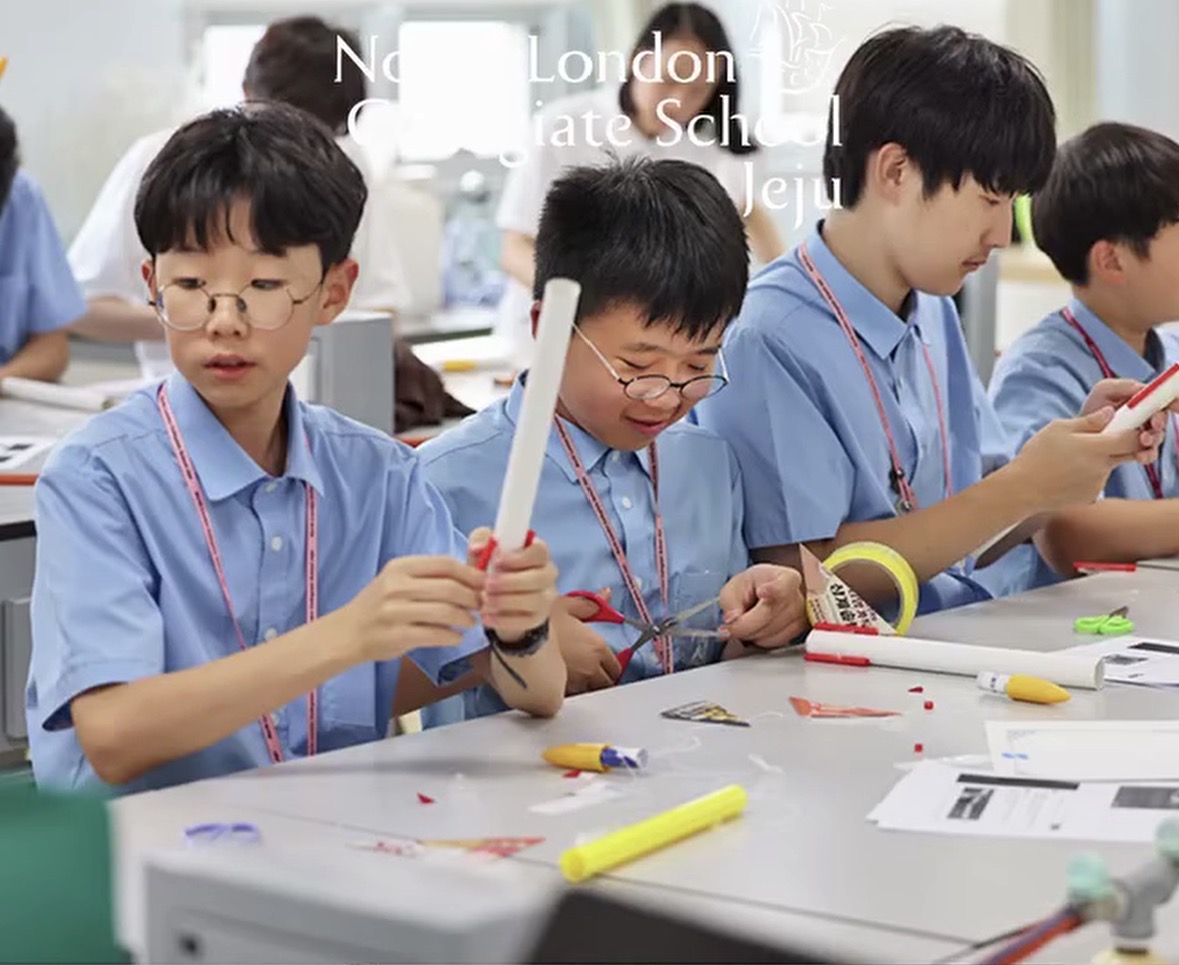
There was no rocketry club at NLCS Jeju, so I started one, and about ten people joined. We design in CAD, simulate the flight in OpenRocket, then drive out to a field and find out how wrong the simulation was. Over two years we launched and recovered six times.
The gap between the simulation and the field is the whole education. A model rocket leaving the rail is a variable-mass problem with a boundary layer on it, and none of that is visible on a screen. It becomes visible when the thing tips.
That question about fins is where the research at the bottom of this page came from. I wanted to know why a particular fin shape wins, and the answer turned out to be a variational one rather than a rule of thumb, which is not what I expected when I started measuring apogees.
A national competition gave the club its first outside result, a gold in the National Youth Aerospace Engineering Competition. The more useful outcome was the workshop we ran with Young Astronauts Korea, where I brought in a professional lecturer and opened it past our own members to about twenty students from schools across the Global Education City.
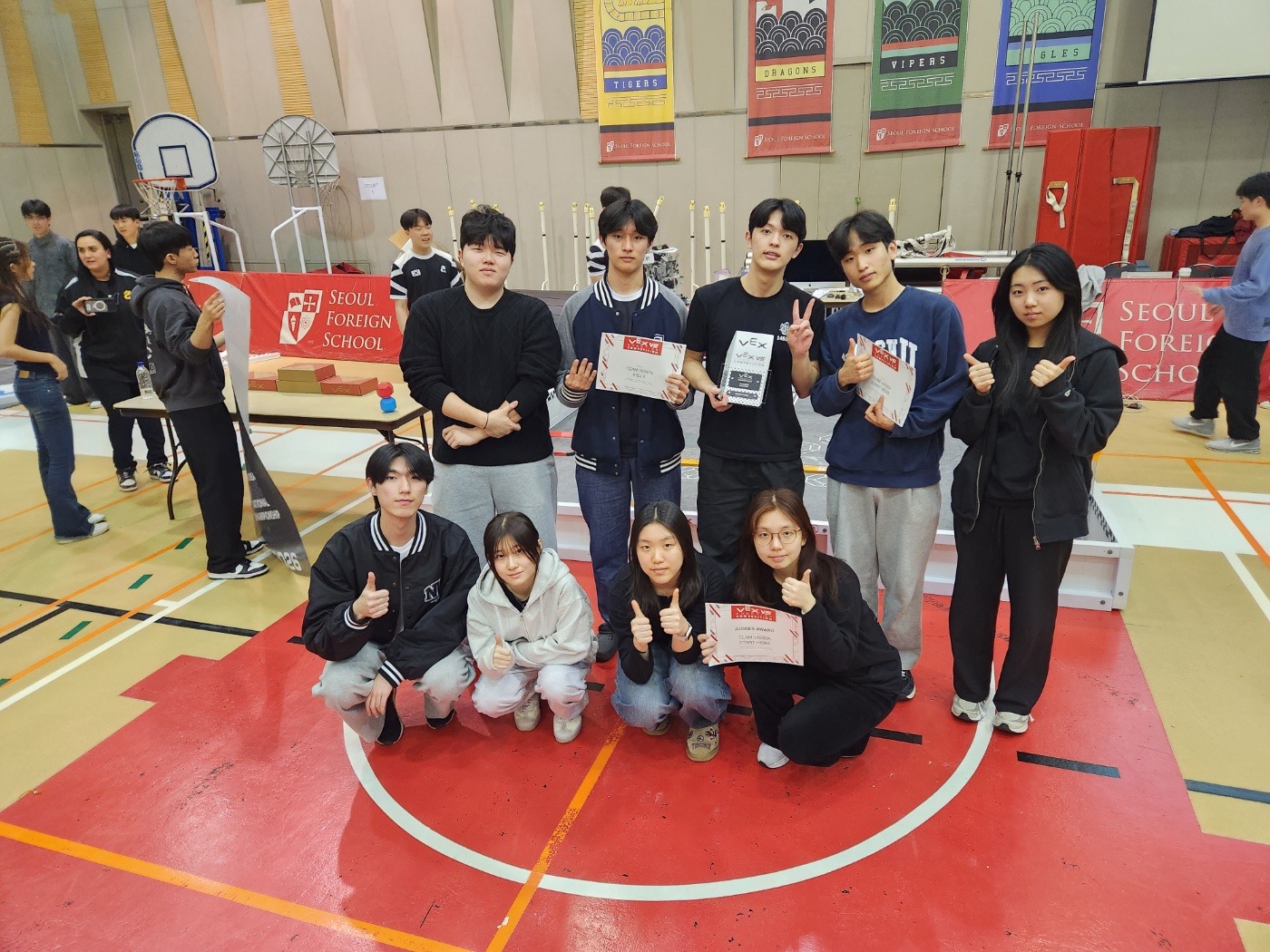
The VEX team was the second thing that did not exist until we made it. Ten of us built an S-Bot for the Push Back season, and I drove it.
Driving is a strange skill to acquire. You spend months on a machine and then the whole thing comes down to about a hundred seconds in which your hands have to already know what to do. We took the KISAC tournament against more than twenty teams and finished third nationally, picking up the Judges and Think awards along the way, which are given for the reasoning behind the robot rather than its score.
I also run the Engineering Society as secretary, which mostly means arranging weekly sessions, teaching Arduino to people who have never wired anything, and dragging in whichever branch of engineering I have been reading about that month.
Journal of the ICPC Society of Invention, Vol. 8, No. 8
Read paperJournal of Data Science for Applications, Volume 8, Issue 1
Read paperSchool gives you a syllabus and the syllabus has edges. Most of what is on this page happened because I wanted something that sat just past one of those edges, and the only way to get it was to go and find it.
The internship at Sangsang E&E was the first time my code had users who had not agreed to be nice to me. I built and maintained a web application on a weekly cycle for a stipend of 3,500 dollars, and the difference between a school project and a thing somebody depends on turned out to be mostly about the boring parts: what happens when the input is wrong, and who gets called when it breaks.
Two of these are university credit. ENGR 101 at Embry-Riddle is dual enrollment and project-based, and it treats aerospace as a systems problem rather than a physics problem, which is a distinction I had not really felt before doing the exercises. Fusion 360 at UC San Diego Extended Studies is the CAD I use on the rocket bodies, taken properly this time, with assembly modelling and motion simulation rather than the parts of the software I had taught myself and the parts I had been avoiding.
AwesomeMath was four weeks of competition mathematics with students from around the world, admitted by test, essays and a recommendation. It is proof-based, which is a different sport from the one I had been training for.
At MIT Future Builders I built an app around a problem and pitched it to judges from outside Korea. The pitch was harder than the build, which was a useful thing to learn about myself early.
The law firm was the odd one out and the one I think about most. I spent it reading patent cases in AI and aerospace and wrote a research paper out of it. Engineering school teaches you to ask whether a thing can be built. That fortnight was the first time I had to sit with the question of who is allowed to build it, and what happens when the answer arrives years after the technology does.
At Sogang University I spent a fortnight on sound engineering, looking at how a voice is pulled out of background noise. It is a filtering problem, and filtering problems have started showing up everywhere I look.
I have boarded at NLCS Jeju since I was eleven. That means school is not somewhere I go, it is where I live, and a fair amount of my time here has gone into things that will never appear on a transcript.
As Sixth Form Event Prefect I organise things for the whole school: the Christmas Bazaar, the Summer Fete, the Valedictory Ceremony. For the Bazaar I went outside and brought merchants onto campus, which raised about 1,100 dollars and taught me that most of organising is following up with people who have not replied yet.
In Halla Boarding House I run the events committee, seven or more a year, including Induction Day and International Boarders' Day and the Christmas dinner. Induction Day is the one that matters. It is the day a group of eleven-year-olds work out whether this place is going to be all right, and I remember being on the other side of it.
Before that I was captain of Mulchat House, where I had already lived for five years. The job is mostly noticing which new student is eating alone.
I captain the varsity badminton team, which means arranging weekly practice for twenty people and playing when it counts. We have taken several medals. I am also a starting middle blocker for the varsity volleyball team.
I keep these because they are the part of the week that does not reward thinking longer. A shuttlecock arrives in under half a second and there is no version of you that gets to sit with the problem. After a term of telling students that the answer comes from staying with something for hours, it is worth having somewhere that the answer comes from having already practised it into your hands.
I'm Daniel. What draws me isn't the view from orbit. It's the moment something breaks through resistance and gets there. That obsession runs through everything: rockets pushing through drag, F1 cars shaving milliseconds off aerodynamic friction, school apps dissolving the small frictions that stop people from doing what they're capable of.
My natural loop is: observe something, ask why it isn't working, find where the model and reality don't match, then build a fix. Not to improve someone else's design, but to build the whole thing myself. The joy of making something from my own idea is different from the satisfaction of replication. I'm drawn toward builder over researcher, engineer over analyst.
I've also learned how I grow. I absorb environments deeply. The right room and the right pressure change how I think. Then I try to recreate those conditions for others. The UKMT Math Club I founded became a workbook I wrote, which now reaches schools in Kenya. I don't just share what I receive. I try to multiply it.
I don't stop at understanding something. I need to make it. Rockets, apps, clubs, workbooks: the instinct is always to build the whole thing, not just a part of it.
I notice when the model and reality don't match, and I can't leave it alone. Gravity, air resistance, social friction: different surfaces, same question underneath.
These all started the same way. Something around me was slightly broken, everybody agreed it was broken, and nothing happened, because complaining and fixing are usually done by different people. I got interested in being the second kind.
NLCS Jeju draws students from a lot of countries, and the distance between sharing a campus and actually knowing each other is wider than it looks from outside. You end up knowing what someone scored and not what they can do.
Better Together is a place for the second thing. More than a thousand international students now use it to put up their own talents and the careers they are aiming at, in their own words. The part I did not expect is what happens after the profile goes up: people find each other on the site and then meet in person, and a number of events have come out of those introductions.
I built it in HTML and JavaScript, and I keep it running with Claude, which means a fair amount of my maintenance now happens in conversation rather than in a text editor.
Food is the thing students talk about most and change least, mostly because there is no way to tell a loud opinion from a real pattern. Complaints arrive as anecdotes and anecdotes are easy to dismiss.
Quadra collects that feedback in the time it takes to walk out of the dining hall, and more importantly it hands the catering company the analytics rather than the complaints. More than 1,600 students and staff have used it. Once the pattern was on a screen instead of in the air, menus started changing, which is the first time I saw something I wrote alter what a few hundred people ate.
Several sports wanted the same gyms in the same slots, and the weekly schedule was being argued rather than counted. Arguments like that tend to be won by whoever is oldest and loudest.
The app collects votes from the boarding students, around 300 of them, and builds the week's schedule from what people actually asked for. The outcome I care about is that the younger students now get hall time alongside the older ones, which was not reliably true when the timetable was settled by whoever asked first.
The most recent one, and the first that was never about my own school. It tracks academic progress and has picked up more than a thousand users across several countries, which is a different kind of responsibility from a site where I know most of the people using it by name.
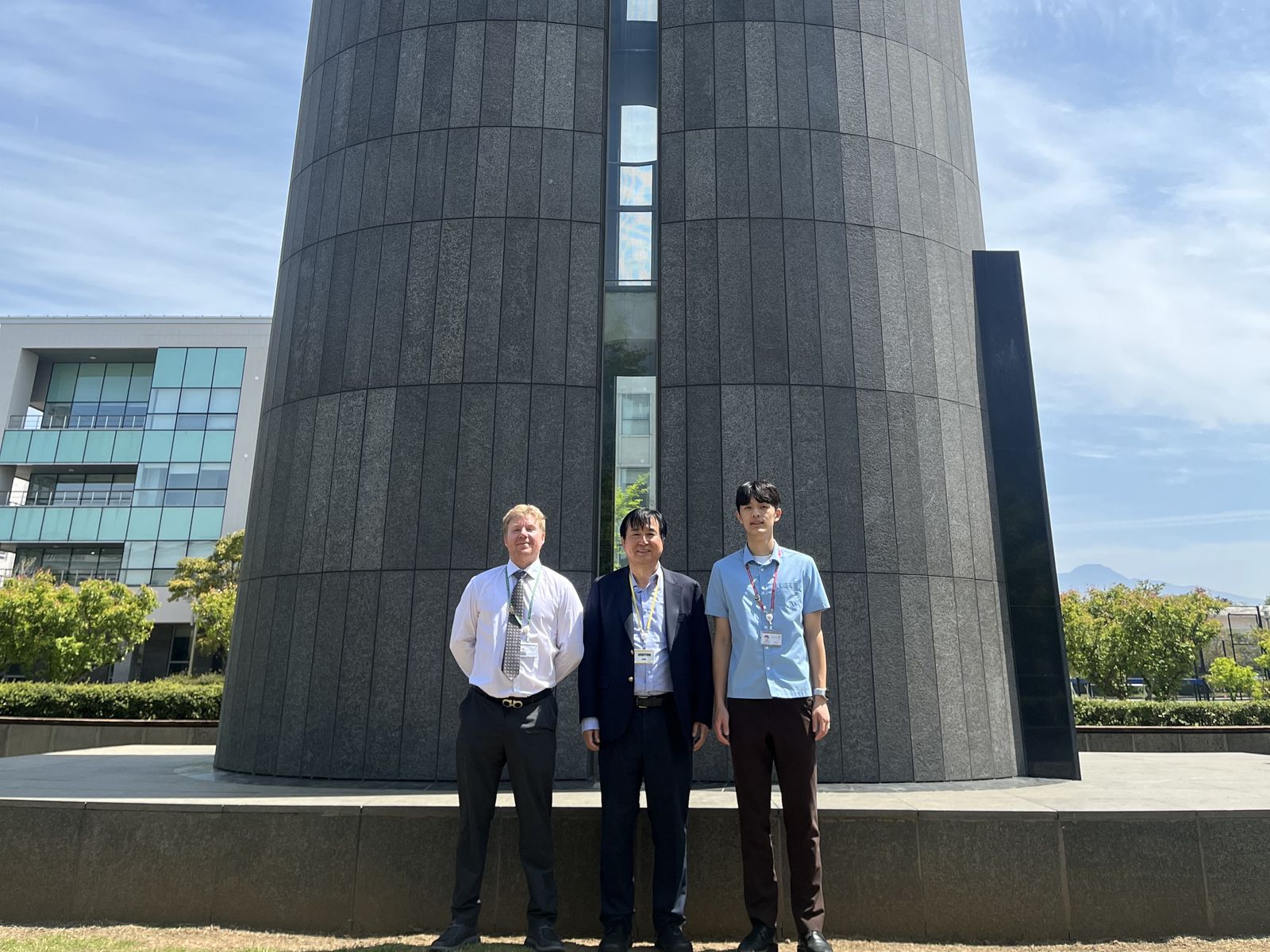
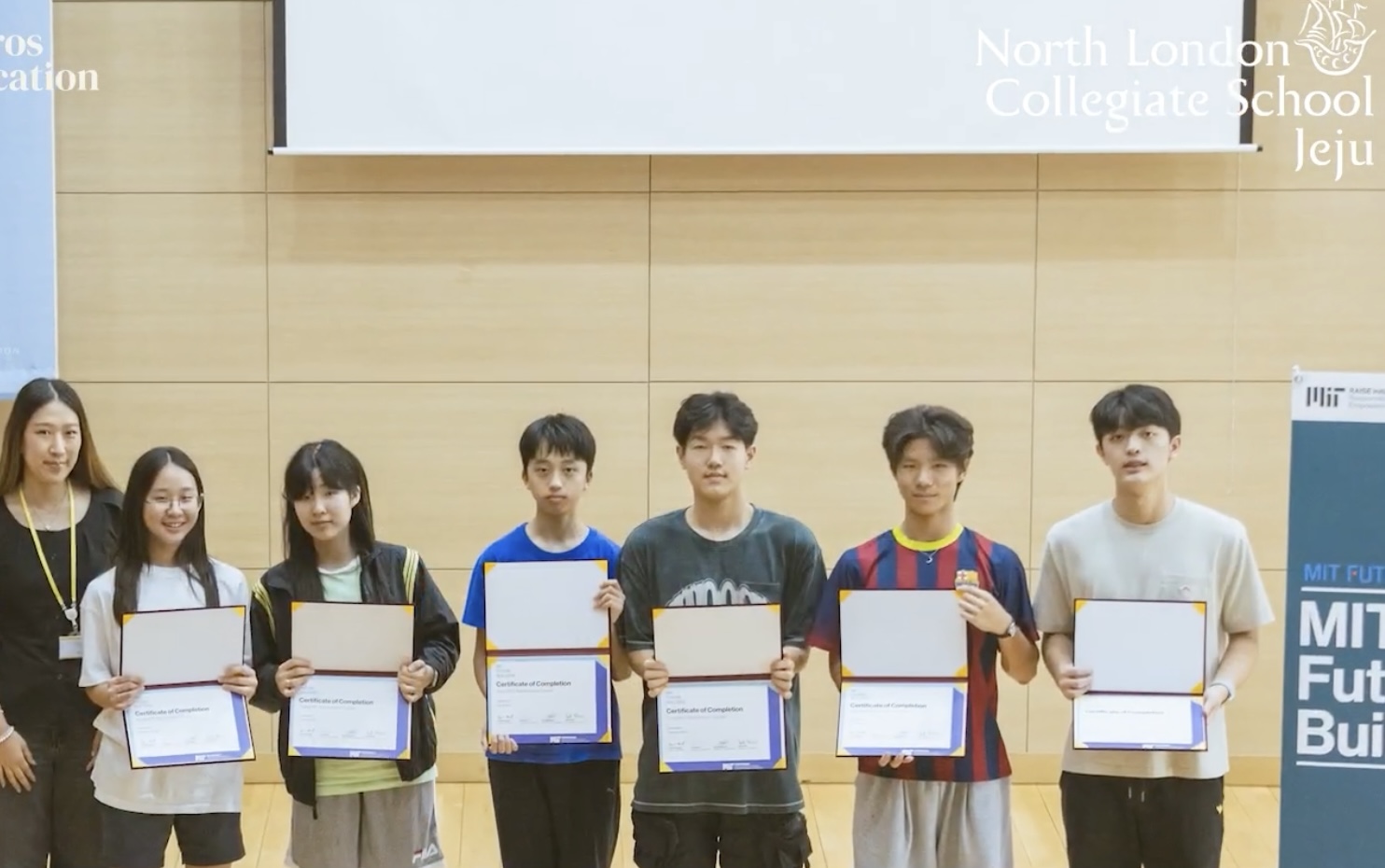
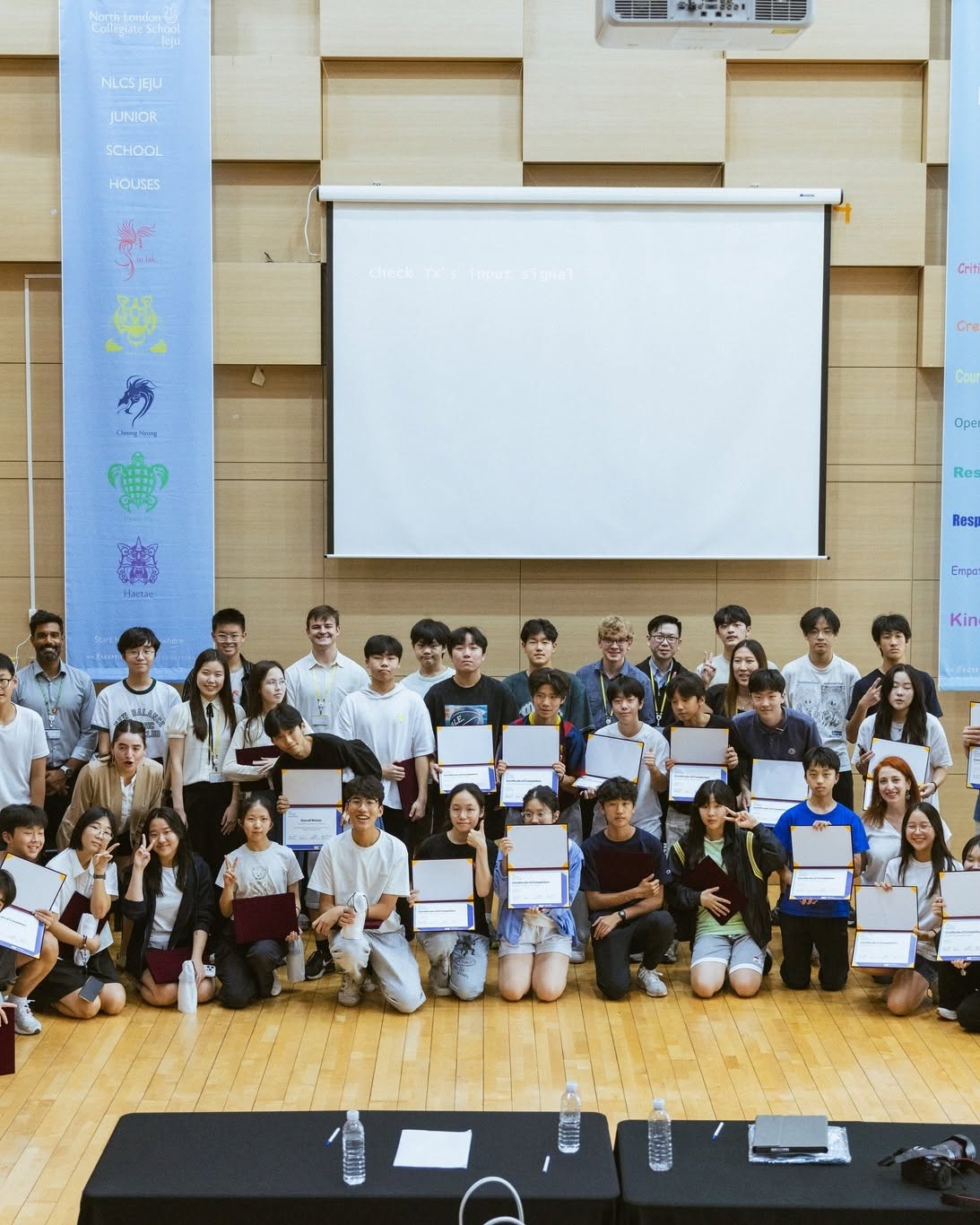
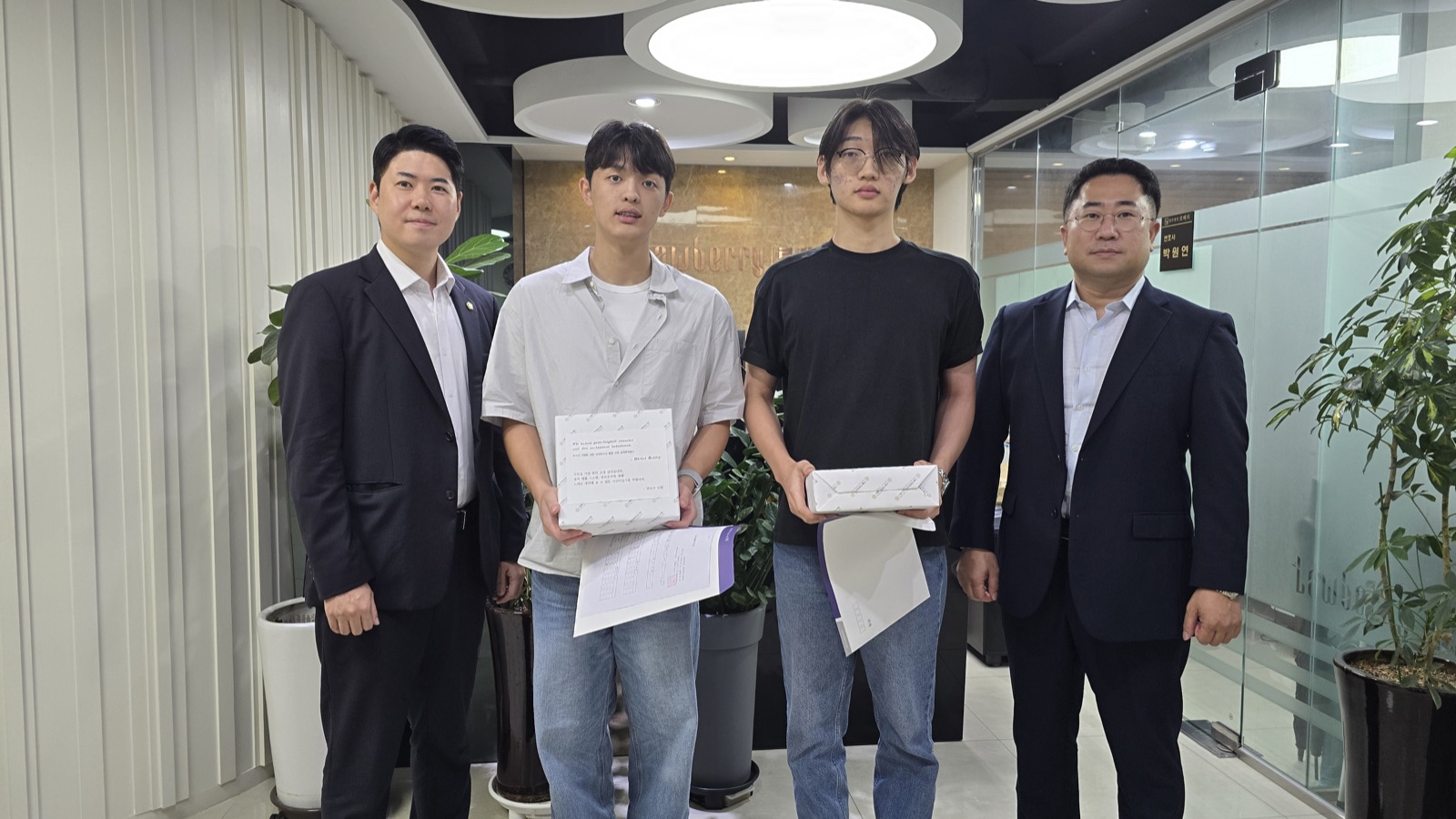
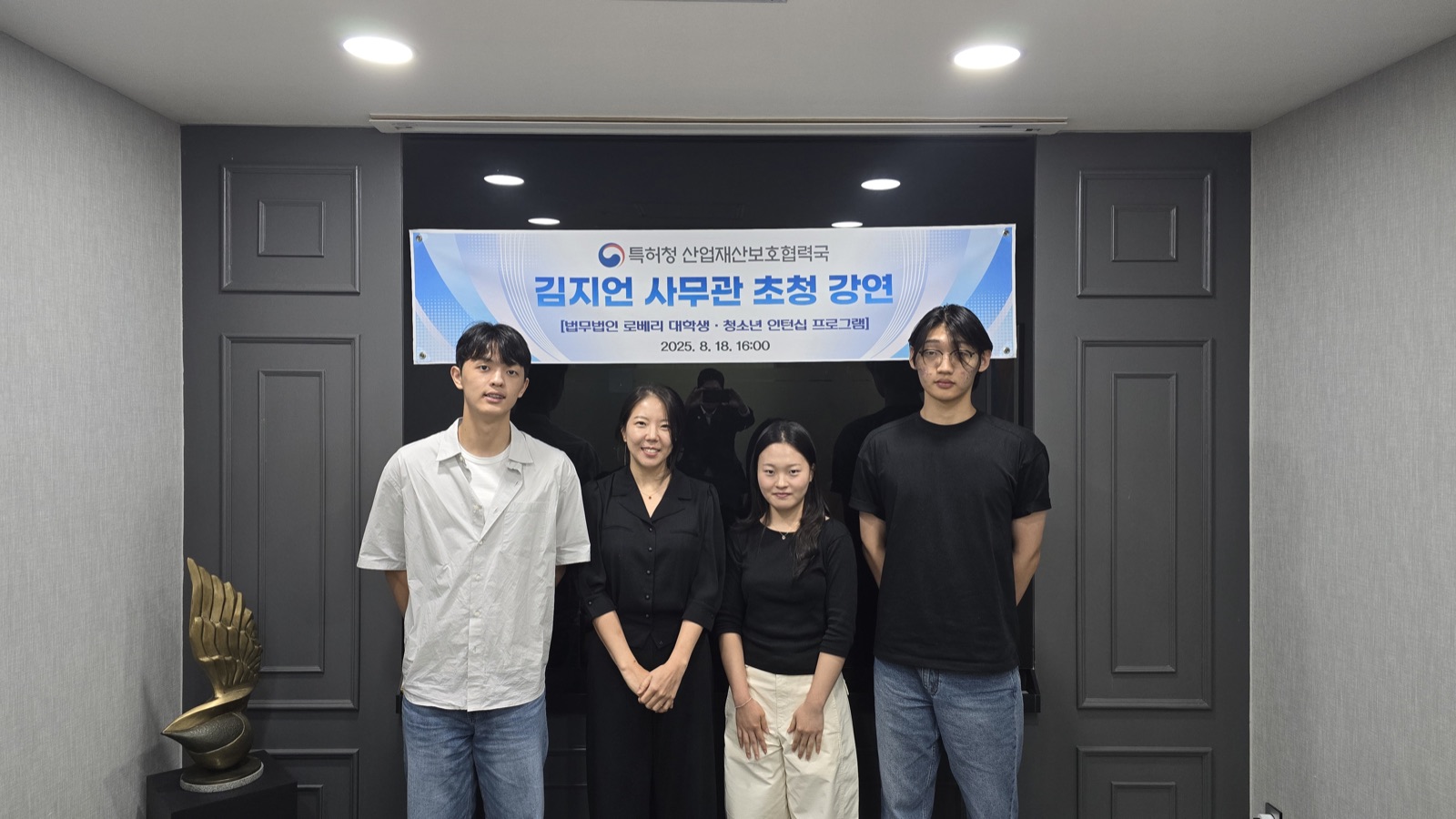
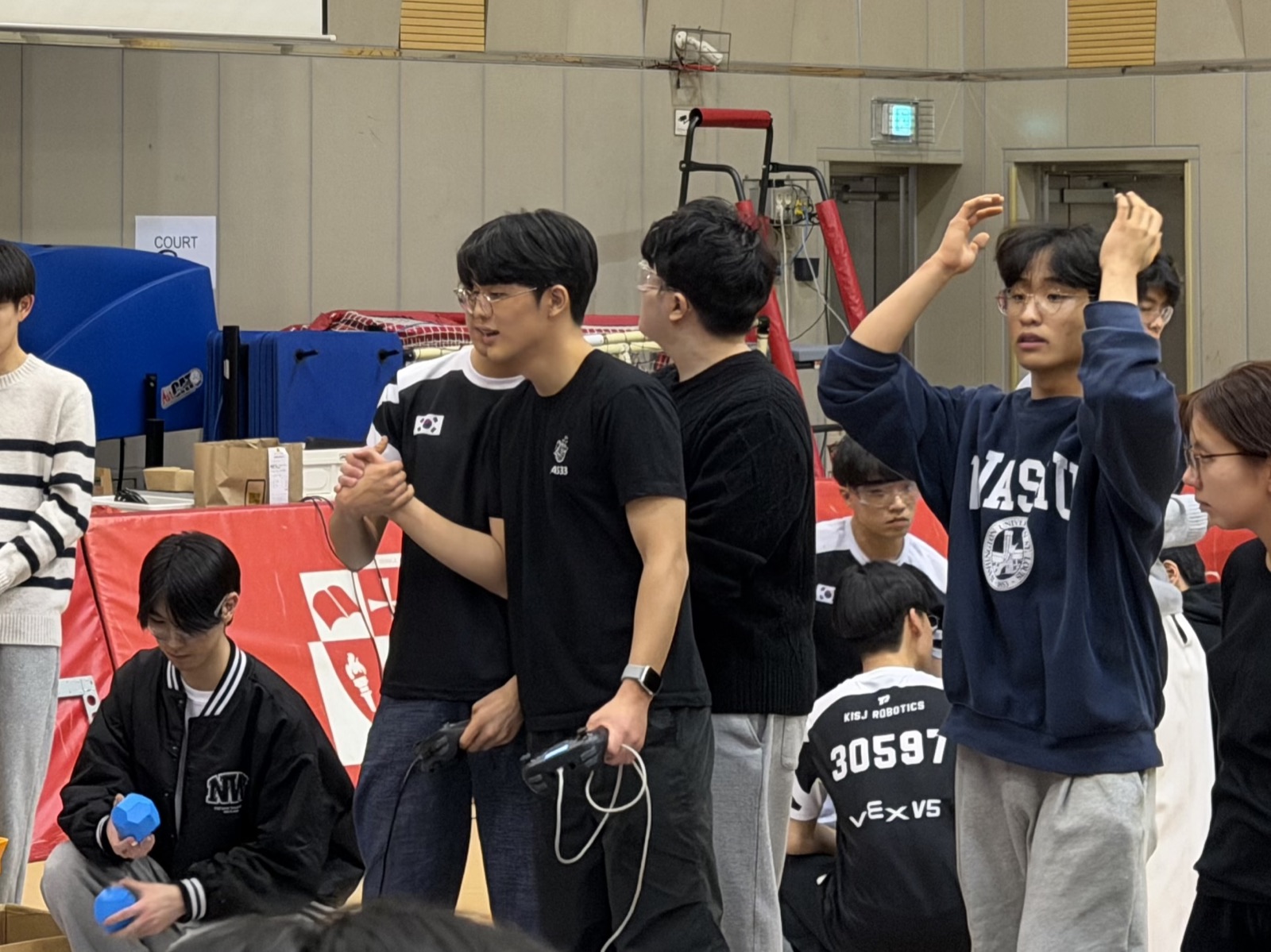
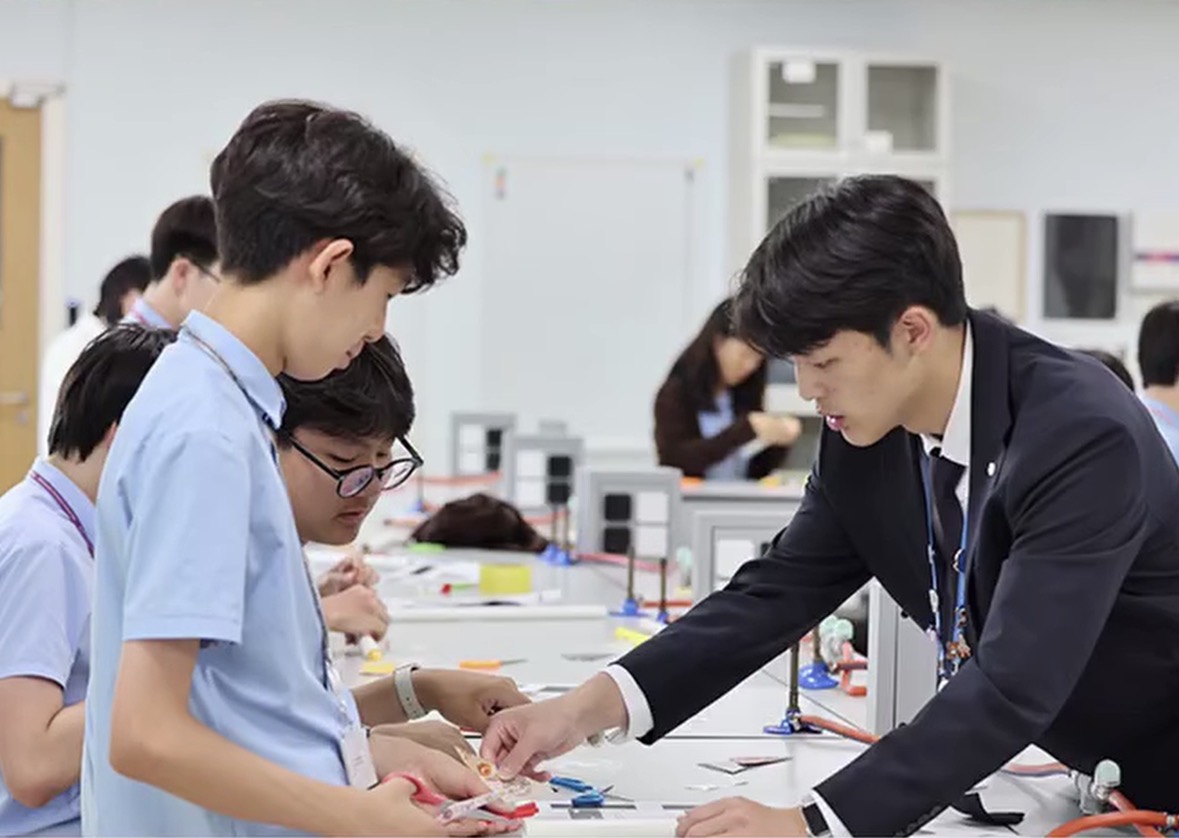
Photographs from the camps, the launch field, the competition halls and the classrooms. Captions where the picture needs one.